The Eight Most Common Mistakes in Endurance Training
Many endurance athletes train regularly and invest a lot of time and energy into their training. Nevertheless, the desired progress often fails to materialize. Why is that? In most cases, it's neither due to a lack of discipline nor the wrong training method. Much more often, it's fundamental training errors that slow down long-term performance development.
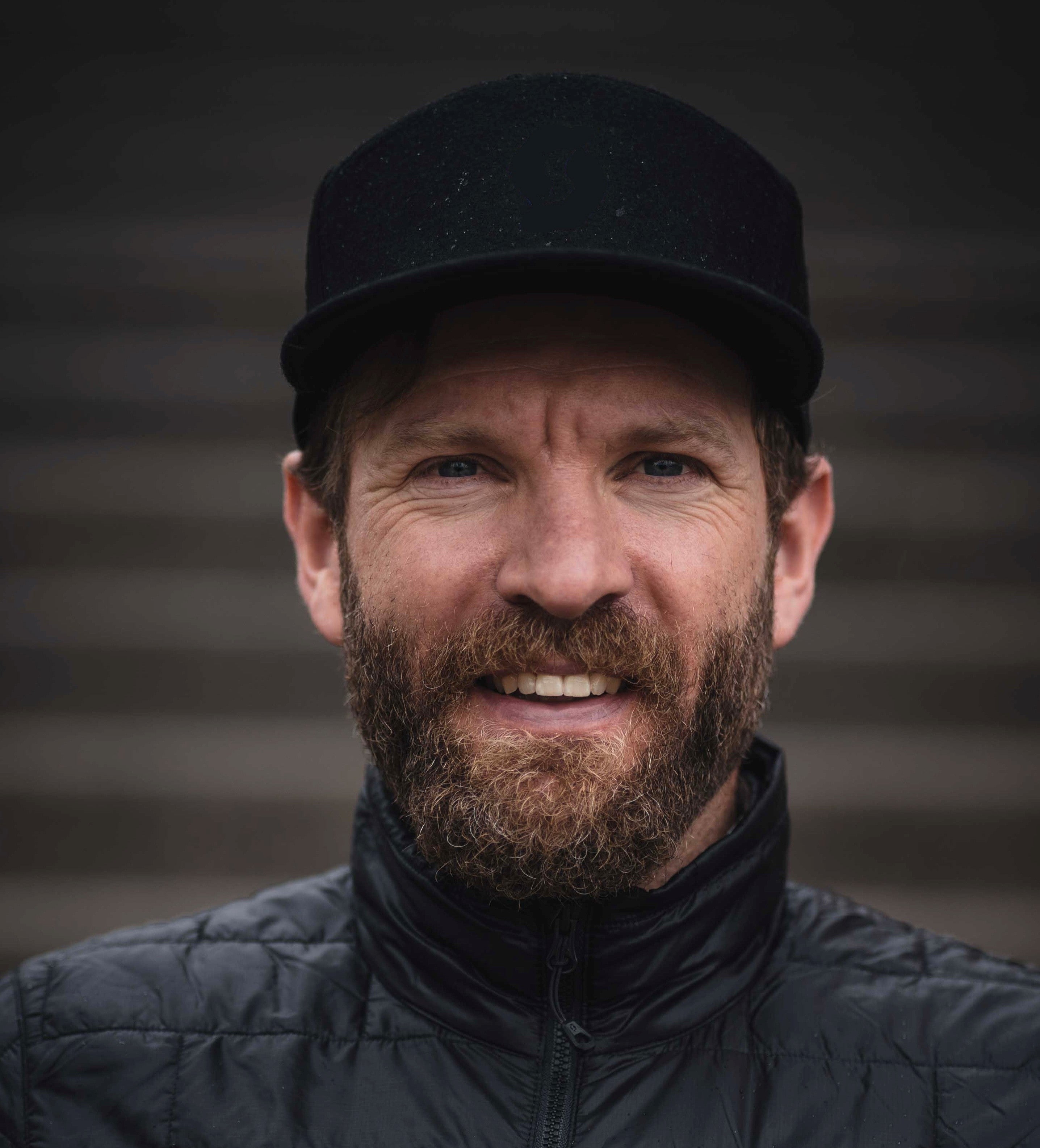
In his work as a coach, Florian Vogel has already mentored over 300 athletes. Over the years, he has repeatedly encountered the same patterns. Often, these are not major misjudgments, but small, recurring inaccuracies that accumulate and hinder progress. Below is an overview of the most common limiting factors in endurance training.
1. Why is there a lack of training consistency despite motivation?
A central point is the lack of training consistency. Consistency is the foundation of any sustainable performance development. Without regular training stimuli, physiological adaptations do not occur, regardless of how well individual sessions are planned. Often, there are phases of very high training volume, followed by longer breaks because the chosen workload cannot be maintained in everyday life. With this all-or-nothing strategy, it is almost impossible to realize one's full potential. Sustainable progress occurs when training is realistically planned and feasible in the long term.
2. Am I training without a clear or realistic goal?
Many athletes start training without a clear goal or with unrealistic expectations. These are often incompatible with the available time or physical resources. A goal doesn't necessarily have to be a competition, but it should provide a clear direction. Unrealistic goals often lead to frustration, stress, and inconsistent implementation, thus being counterproductive.
3. Am I setting the right priorities in training?
Another common mistake is the incorrect weighting of individual factors. Especially in the age of social media, so-called fancy stuff is often overestimated. Training gadgets, equipment, or new tools receive a lot of attention, while fundamental aspects such as training structure, recovery, or nutrition are neglected. Yet, the greatest potential almost always lies in the basics. Those who do not implement these properly will hardly make progress even with the best additional measures.
4. Is my training really tailored to me?
Not infrequently, training is not very goal-oriented. Without a clear profile of strengths and weaknesses, training design remains unspecific and is often defined according to the principle of good luck. Many athletes base their training on the experiences of others or anecdotal knowledge, instead of addressing the actual requirements of their goal. However, effective training means working specifically on the relevant adjustment screws and not just doing more of the same.
5. Am I getting enough energy during training?
A particularly underestimated point is nutrition during training. Many athletes still train with insufficient energy intake. Empty glycogen stores not only impair current performance but also regeneration and long-term training adaptation. Those who are regularly undernourished during training are, figuratively speaking, driving with the handbrake on.
6. Do I train too often in the same intensity zone?
In addition, there is often a monotonous training design with a tendency towards the middle. The intensity is too high to be truly relaxed and too low to set specific stimuli. This in-between training feels strenuous but is inefficient in the long term. Clear basic work combined with specifically set intense sessions usually leads to much better results.
7. Am I expecting results too quickly?
Impatience plays a major role in the training process. Performance development is not linear, especially with increasing training age. Progress becomes visible more slowly. Those who expect quick results tend to force the training process, often with negative consequences. Patience and trust in one's own training process are central prerequisites for sustainable success.
8. Do I allow enough time for recovery?
Finally, recovery is often given too little importance. Adaptation does not occur during exertion but in the phase thereafter. Without sufficient recovery, the desired supercompensation does not occur. Sleep, nutrition, and a sensible training structure should therefore be consciously planned and optimized accordingly.
Conclusion
These eight points offer a great lever for performance development in endurance training. Those who consistently consider them can achieve significant progress with manageable effort. In his book PEAK PERFORMANCE in Cycling, Florian Vogel dedicates a separate chapter to these typical training errors and shows in a practical way how they can be avoided in everyday training. Because effective training does not mean doing more, but above all, doing less wrong.
About the Author
Florian Vogel knows how to get the most out of limited time in cycling. As a two-time Olympian, World Cup winner, and European champion, he has experienced for over 15 years at the world's top how small details make all the difference. He summarizes this knowledge in his book PEAK PERFORMANCE in Cycling. In it, he conveys clear training principles and tried-and-tested methods with which he has already guided over 300 athletes to peak performance.